Which White‑Noise Machine Actually Helps You Sleep? A Practical Comparison
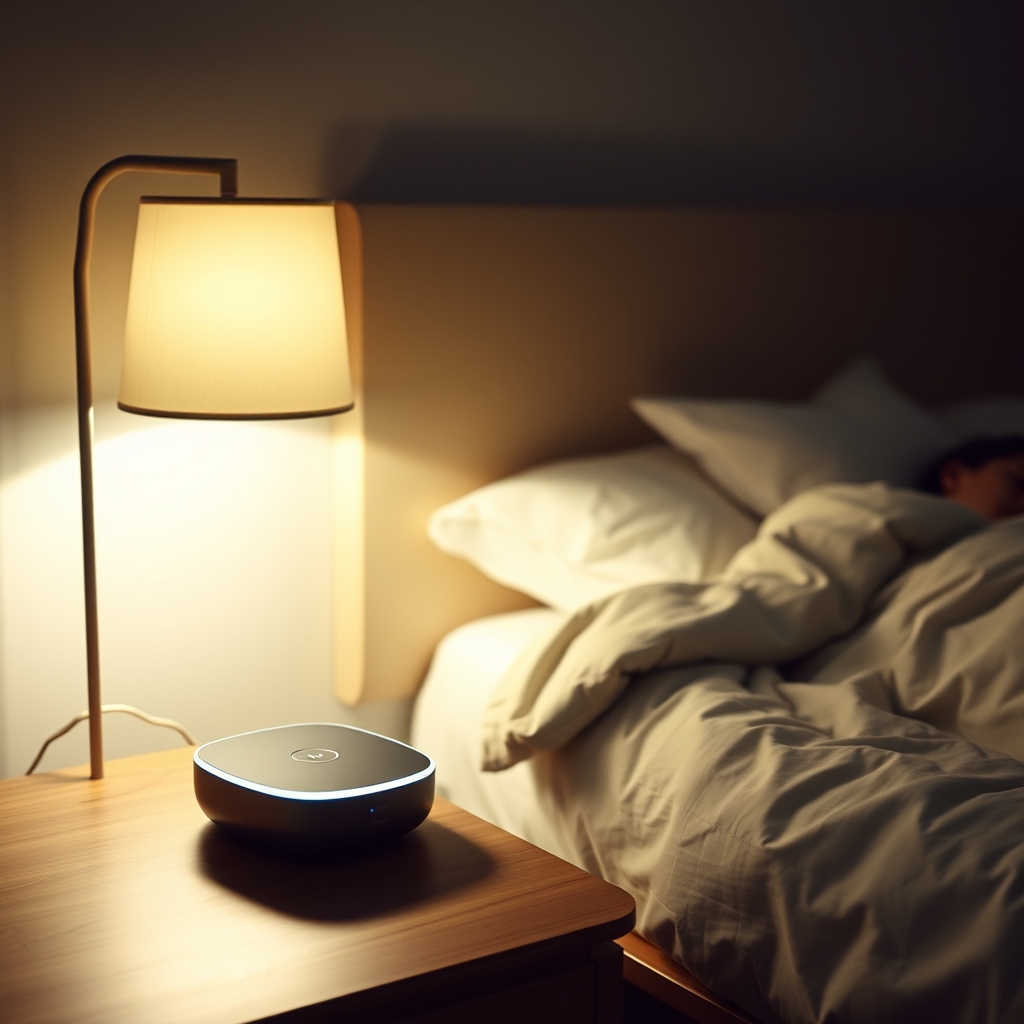
According to WIRED, the market now offers a range of white‑noise machines that vary from simple fan‑based devices to multi‑function sunrise clocks.
A steady sound mask can drown out the chatter of a restless mind, but the choice of device matters for sound quality, convenience, and safety.
How White‑Noise Machines Work and Why "Colors" Matter
White‑noise machines generate sound across a spectrum of frequencies that humans can hear. "Pure" white noise contains equal energy at every frequency, which can feel harsh—much like TV static. To soften this, manufacturers bundle pink and brown noise, which roll off the higher frequencies and tend to be perceived as smoother. The analogy to light helps: just as white light mixes all colors, white noise mixes all pitches; pink and brown shift the mix toward lower‑frequency tones.
Mechanically, there are two approaches. The Snooz device uses a real fan; air movement creates a continuous broadband sound without digital sampling. Digital models store recordings of fan noise, rain, or other nature sounds and play them back through a speaker. The fan‑based method guarantees a truly random acoustic texture, while digital playback can suffer from compression artifacts or limited speaker quality.
What’s New and What’s Old in the Current Line‑up
| Model | Sound source | Portable? | Extra features | Approx. price |
|---|---|---|---|---|
| Snooz | Real fan (analog) | No (designed for central placement) | Simple volume knob, mesh sleeve | N/A |
| Hatch 3 | Digital library + sunrise alarm | No (nightstand unit) | Motion‑based sleep tracking, color light scenes, sunrise/sunset lighting | Priciest (price not disclosed) |
| Hatch Rest (kids) | Digital library | No | Night‑light button, color glow, 3‑month Hatch+ subscription | N/A |
| Restnature (Amazon) | Digital recordings | Yes (pocket‑size) | 16 sound options, 30/60/90‑min timers | N/A |
| Basic fan/AA model | Digital recordings (thunder, ocean, etc.) | Yes (batteries) | 15/30/60‑min timers, knob volume | $25 |
The table highlights three dimensions that matter most: how the sound is generated, whether the unit can travel with you, and what non‑audio functions are bundled.
The Trade‑Offs Nobody Talks About
- Sound fidelity vs. flexibility: A real fan (Snooz) delivers authentic broadband noise, but you can’t switch to nature sounds or adjust the tone. Digital units let you toggle between white, pink, brown, and themed sounds, yet the quality hinges on speaker size and file compression.
- Portability vs. power: Battery‑run models (the basic AA unit, Restnature) are handy for travel but often have limited volume and may die unexpectedly. Plug‑in units can run all night without worrying about battery life, but you must keep a power outlet nearby.
- Feature bloat vs. sleep safety: Sunrise alarms and sleep‑tracking add convenience but also raise the device’s price and complexity. For many sleepers, the extra light‑show is unnecessary and could even disturb light‑sensitive users.
- Decibel limits for children: WIRED notes that machines for kids should stay below 50 dB and be placed at least 200 cm (6.5 ft) away. Not all reviewed models list decibel output, so parents must measure or choose conservatively.
Who Gains and Who Loses
- Heavy sleepers or those who dislike cool air benefit from digital models with louder output and a broader sound library. The Restnature’s 16 options and the Hatch 3’s subscription library give them plenty to experiment with.
- Light sleepers and infants need a gentle, low‑volume mask. The Snooz fan’s natural sound can be set low and placed away from the bed, reducing the risk of overstimulation. However, without a timer, a user must remember to turn it off.
- Travelers should pick a battery‑powered unit. The Restnature’s pocket size and the basic AA model’s timer options make them suitable for hotels or camping, though the latter’s aging components may be unreliable.
- Budget‑conscious shoppers get the most bang for the buck with the $25 basic model, which still offers a decent selection of sounds despite its age‑related wear.
What to Watch Next
White‑noise technology is converging with smart‑home ecosystems. Future models may integrate voice assistants for hands‑free control, or use AI to adapt sound profiles in real time based on detected sleep stages. Keep an eye on upcoming releases that promise “adaptive noise” without locking users behind subscriptions. If a device adds a microphone for room monitoring, consider privacy implications; the Hatch 3 explicitly avoids cameras and mics, a point worth noting as more products chase data‑driven features.
Actionable Tips for Better Sleep Tonight
- Measure the volume: Use a smartphone app to ensure the device stays under 50 dB if you have a child.
- Place it right: Position the machine 6 ft from the bed to spread sound evenly without blasting your ears.
- Start simple: Try a fan or a basic digital unit before investing in sunrise alarms or subscription services.
- Set a timer: If you don’t need continuous sound, use the 30‑ or 60‑minute timer to conserve power and avoid unnecessary exposure.
- Test different colors: Experiment with white, pink, and brown noise to see which lowers your heart rate most effectively.
By matching your sleep needs to the device’s core strengths—sound source, portability, and extra features—you can avoid unnecessary expense and actually improve your nightly rest.