Why Tilly Norwood’s AI Actor Falls Short of Its Own Hype
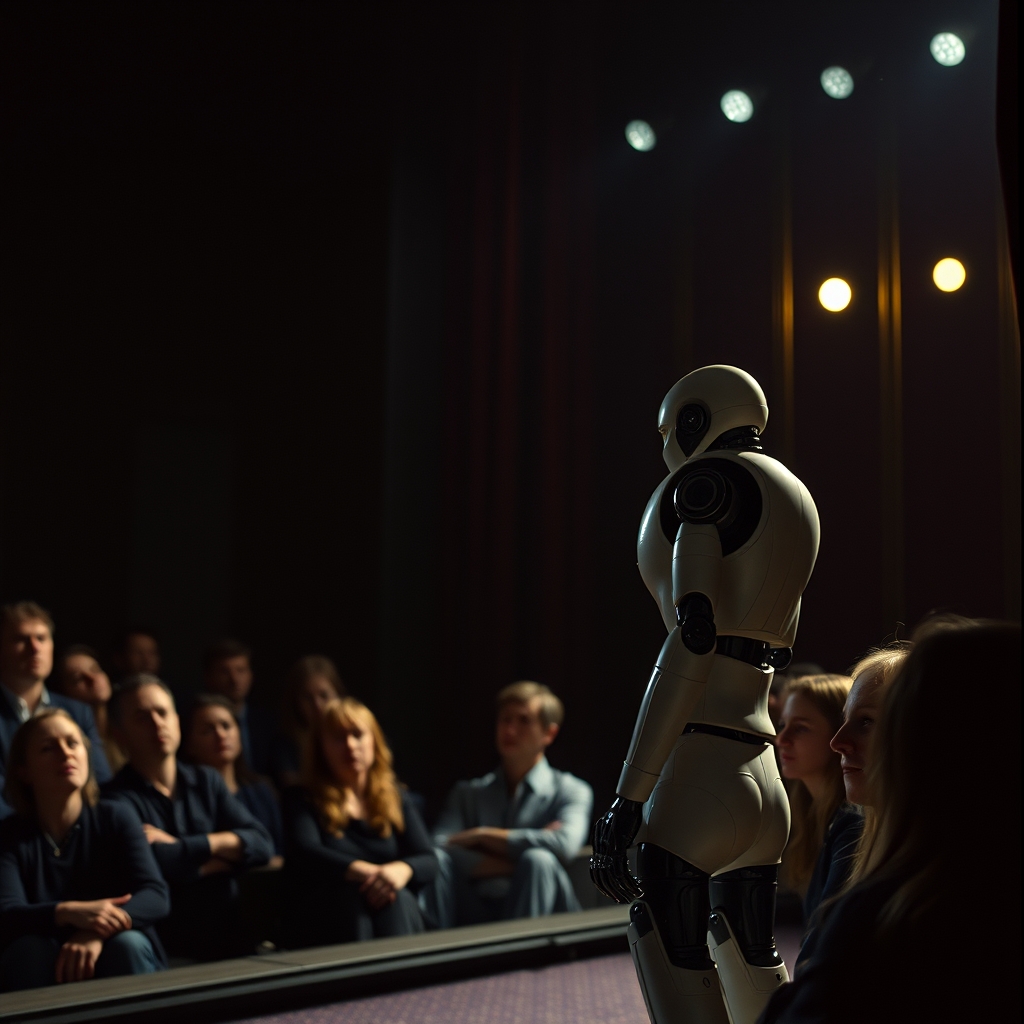
Tilly Norwood, a British‑accented digital character marketed as an AI “actor,” recently appeared in a press‑junket organized by Particle 6 Group. The stunt generated headlines, but the underlying product offered little beyond a polished avatar and a pricey chat service.
According to WIRED, the character was unveiled at the Zurich Film Festival last September and has been promoted as “ready for absolutely anything.” The claim matters because it signals a push toward AI‑generated performers that could disrupt traditional casting and production workflows.
The Publicity Push Behind Tilly Norwood
Particle 6 positioned Norwood as a novelty that bridges fan interaction and film promotion. The company released a short‑film called Misaligned in which the avatar is the protagonist, and it marketed the character as a way for journalists to interview an “actor” without a human handler. The rollout included a limited‑time video‑call window that mimicked old‑school 1‑900 phone lines: a two‑minute free window followed by per‑minute fees. The stunt attracted criticism from actors’ unions, who see it as a threat to real‑world jobs, but it also drew curiosity from tech enthusiasts eager to test conversational AI limits.
Under the Hood: How the Digital Actor Is Built
Norwood runs on a stack of publicly available generative AI tools. At its core is a large language model (LLM) that produces text responses; separate vision models generate the avatar’s facial expressions and lip‑sync. A third‑party visual appraisal module scans a user’s webcam feed, extracts clothing colors, and generates a brief comment (“your shirt is surprisingly well‑ironed”). All these components are stitched together with a custom orchestration layer that decides when to ask the user a question, when to deflect, and when to inject praise.
The system deliberately blocks political or controversial topics. When prompted about the Russia‑Ukraine war or the Black‑Lives‑Matter movement, the model replies with a generic refusal or a safe‑sounding slogan. This is a typical “guardrail” approach where developers filter out content that could trigger liability or brand damage. The guardrails, however, also strip the bot of any meaningful insight, leaving it with rehearsed pleasantries.
Pricing and Access
The chat service is sold in short bursts, a model that mirrors older pay‑per‑minute entertainment services. Below is a summary of the publicly advertised rates:
| Session Length | Cost |
|---|---|
| First 2 minutes (free) | $0 |
| Additional 15 minutes | $14 |
| Additional 30 minutes | $25 |
The company states that proceeds will go to charity, but the fee structure makes it difficult for casual fans to engage beyond a novelty glance. For studios considering a larger rollout, the per‑minute cost quickly eclipses the budget of a typical short‑form marketing campaign.
The Real Trade‑off: Content Value vs Cost and Ethical Risk
What actually changes with Norwood is not a new storytelling medium but a shift in where money is spent. The avatar can generate a polished visual presence for a fraction of a human actor’s salary, but the conversation quality remains shallow. In practice this means creators get a visually appealing figure without the creative depth that a human brings to improvisation, script development, or on‑set problem solving.
The trade‑off is therefore between visual novelty and substantive performance. Studios that need a quick cameo for a brand activation may find the price acceptable, but any project that relies on nuanced dialogue will quickly hit a wall. Moreover, the guardrails that keep the bot from saying controversial things also mask the broader ethical debate: using an AI that can echo politically charged slogans like “all lives matter” without context risks amplifying misinformation.
Who should watch? Independent filmmakers with tiny budgets may experiment with a Norwood‑style avatar for a splashy trailer, but they should also budget for a human writer or director to supply the narrative backbone. Talent agencies and unions should monitor the pricing model, as a low‑cost alternative could pressure wages if the technology improves. Finally, consumers should be aware that the charitable claim does not offset the fact that the service is a paid novelty, not a genuine artistic collaborator.