Apple Watch Ultra 4 vs Series 12: When the Premium Model Still Pays Off
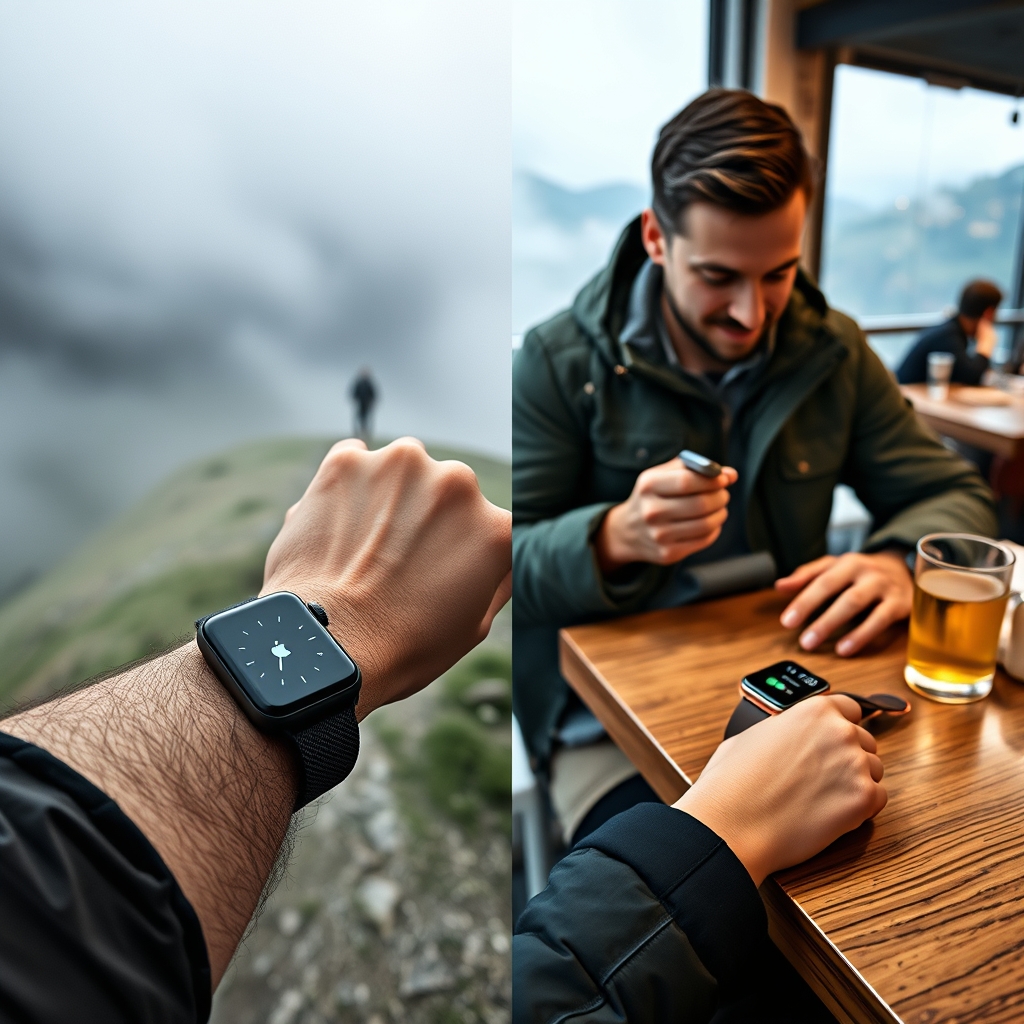
According to WIRED, Apple released the Apple Watch Ultra 4 alongside the Series 12, keeping the Ultra’s $799 price tag while the Series 12 costs about $400 less. The new Ultra pushes battery life and a few outdoor‑focused controls further, but most of its health and safety software now lives on the cheaper model as well. For anyone weighing whether the extra bulk and price are worth it, the details matter.
Core Features and New Health Sensors
The Ultra 4 and Series 12 both run on Apple’s S11 chip and use the updated Health Sensing System. The system samples heart rate every five seconds and measures heart‑rate variability (HRV) every five minutes—up to 24 times more often than previous watches. Two HRV streams are logged: Recovery HRV, which highlights daily stressors, and overall HRV for broader cardiovascular context.
A new Readiness score, ranging from 0 to 10, aggregates recent activity, sleep, and vitals. The watch issues one of four recommendations—Recover, Pace Yourself, Ready, or Go For It—and updates the score throughout the day as new data arrive. The metric needs at least seven nights of wear before it can generate a baseline.
Both models will eventually receive Audio Intelligence features like Live Rewind and Siri Recap, but those updates are slated for later in the year and are not part of the launch experience.
Battery Life and Real‑World Usage
Battery is the Ultra’s most tangible advantage. Normal use now reaches up to 50 hours, compared with 42 hours on the Ultra 3. Low Power Mode stretches that to 84 hours, up from 72 hours. For workouts, the Ultra offers three modes:
- Standard: 18 hours of tracking
- Extended: 25 hours
- Max Extended: 45 hours
A 15‑minute charge adds roughly 18 hours of runtime, making the Ultra suitable for multi‑day hikes or endurance events. The Series 12 shares the same health sensors but does not offer the same multiday battery capacity.
Design, Size, and Usability
The Ultra retains its 49‑mm titanium case in natural and black finishes. At 49 mm it is noticeably larger than the Series 12, which fits smaller wrists more comfortably. The watch’s full‑screen display can be hard to operate when sweaty; touch gestures still dominate most interactions despite the presence of a dedicated Action button. The button provides a quick shortcut for starting or pausing workouts, a useful feature for trail runners and divers.
Apple has not introduced a smaller 46‑mm Ultra option, so users with petite wrists may find the watch bulky. The larger case does, however, give the Ultra a more rugged aesthetic and a sturdier feel.
What the Ultra 4 Really Adds—and Who Benefits
The Ultra 4 narrows the gap with the Series 12 but does not close it. The key differentiators are:
- Multiday battery that supports extended off‑grid activities.
- Action button, offering a physical shortcut for fitness controls.
- Satellite messaging, useful when cellular coverage is absent.
These features target a niche of outdoor enthusiasts, endurance athletes, and professionals who spend significant time away from reliable networks. For users whose primary goal is daily health tracking, notifications, and occasional workouts, the Series 12 delivers the same health insights for roughly half the price.
Current Ultra owners face a modest upgrade path: the newer health sensors and battery improvements are useful, but the core experience remains familiar. New buyers should ask whether the extra bulk, $799 price, and satellite capability will see regular use.
| Feature | Apple Watch Ultra 4 | Apple Watch Series 12 |
|---|---|---|
| Price | $799 | ≈ $399 (about $400 less) |
| Battery (normal) | Up to 50 h | Not specified (shorter) |
| Low Power Mode | Up to 84 h | Not specified |
| Workout modes | 18 h / 25 h / 45 h | Standard workout tracking only |
| Action button | Yes (physical) | No |
| Satellite messaging | Yes | No |
| Case size | 49 mm titanium | Smaller, unspecified |
| Health Sensing System | Same as Series 12 (S11 chip, HR every 5 s, HRV every 5 min) | Same |
Practical Takeaway
If you plan to camp, trek, or dive for multiple days without charging, the Ultra 4’s battery and satellite features justify the price premium. Otherwise, the Series 12 gives you the same health metrics, a more comfortable wrist fit, and a lower entry cost. For current Ultra owners, the upgrade mainly adds a longer charge window and a more responsive Action button; it does not overhaul the core experience. Before buying, assess how often you’ll need multiday battery life and whether the larger case fits your daily wear.