NHTSA Proposes Cyan Marker Lights for Driverless Cars
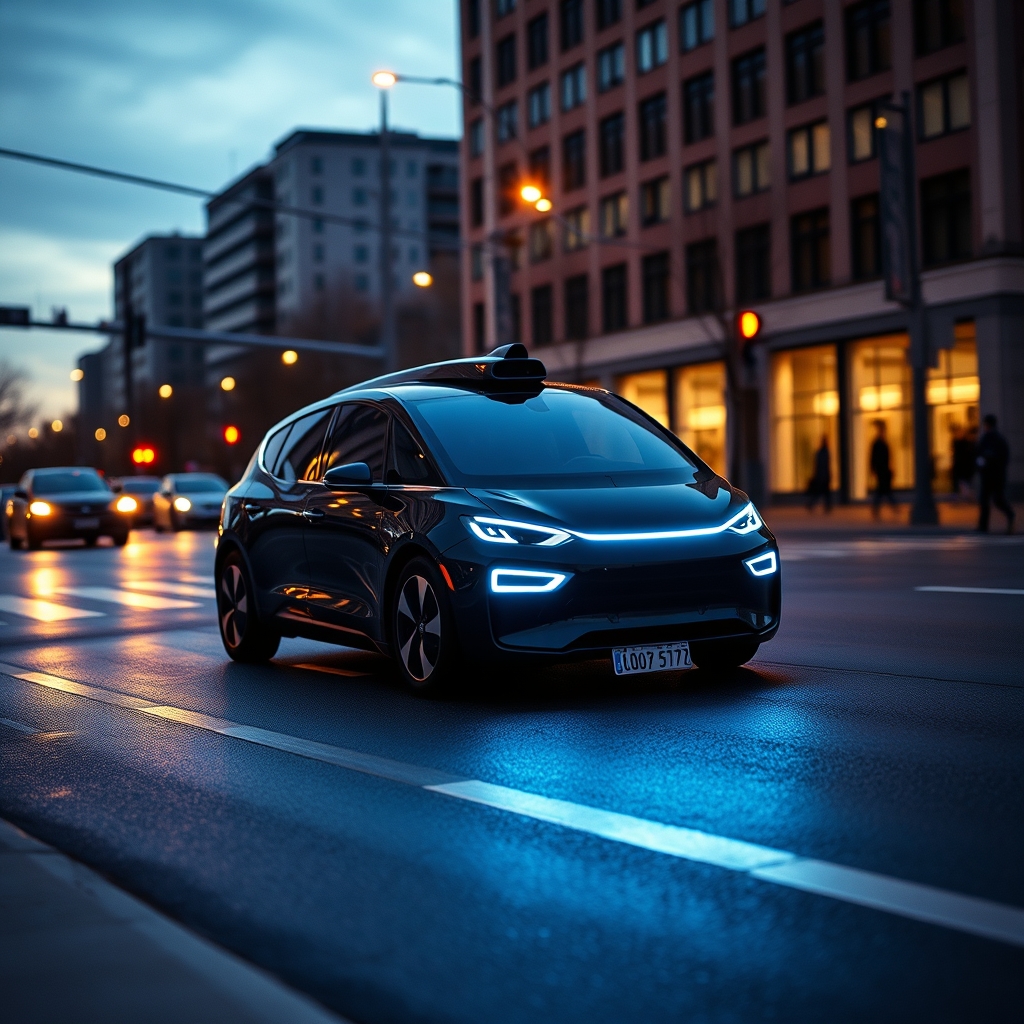
According to The Verge, the National Highway Traffic Safety Administration (NHTSA) is proposing a new visual cue for autonomous vehicles – a cyan‑colored marker lamp that signals when a car is operating without a human driver.
The proposal would also trim several lighting requirements that are unnecessary for vehicles without drivers, aiming to simplify design and certification for robotaxis.
The Proposed Cyan Marker Light
NHTSA’s draft amendment to Federal Motor Vehicle Safety Standard (FMVSS) No. 108 calls for an optional cyan‑colored lamp that clearly indicates an automated driving system is in control. The agency specifies the lamp’s color, brightness, and mounting location to avoid a patchwork of signals across manufacturers. By using a hue that does not overlap with existing red, amber, white, or emergency‑vehicle colors, the rule hopes to reduce confusion for police, pedestrians, and other drivers.
Changes to Existing Lighting Requirements
The same rule set would eliminate a handful of mandates that assume a human sits behind the wheel. It proposes removing the need for:
- Physical hazard switches inside the cabin
- Manual beam shifters that toggle high‑ and low‑beams
- Turn‑signal levers that require a driver’s hand
- Fixed placement rules for high‑beam versus low‑beam fixtures Additionally, the agency wants to update the 12.8‑volt testing standard so manufacturers can rely on modern LED architectures without extra paperwork.
How Cyan Fits Into the Current Palette (Table)
| Light Color | Common Use | Current Regulation | Proposed Use for AVs |
|---|---|---|---|
| Red | Brake lights, rear warnings | Mandatory for stop signals | Unchanged |
| Amber | Turn signals, hazard flashers | Mandatory for signaling | Unchanged |
| White | Headlights, reverse lights | Mandatory for illumination | Unchanged |
| Blue/Red (flashing) | Police, emergency vehicles | Restricted to authorized services | Unchanged |
| Cyan | Proposed marker for driverless operation | Not currently defined for passenger cars | Optional, standardized cue |
The table shows that cyan is the only color without a pre‑existing assignment in passenger‑vehicle lighting, which is why the agency chose it.
Who Gains and Who Faces New Hurdles
The rule mainly benefits robotaxi operators such as Waymo, Nuro, and Zoox, as well as automakers like GM and Mercedes that plan to sell fully driverless fleets. A single, federally recognized signal reduces the risk of local bans and eases public‑acceptance testing. However, manufacturers that previously invested in alternative signaling methods—flashing text displays, audio alerts, or custom colors—may need to retrofit or redesign prototypes to meet the new standard. Smaller firms without the capital to redesign could see a cost barrier, while larger players can absorb the change more easily.
What to Watch As the Proposal Moves Forward
- Public comment period – NHTSA typically opens a 60‑day comment window; industry feedback could reshape the brightness or placement specs.
- State‑level adoption – Some states may adopt the cyan marker before the federal rule finalizes, creating early‑adopter markets.
- Legal challenges – If a jurisdiction interprets the cyan light as a de facto “warning” device, it could trigger liability debates similar to those surrounding early autonomous‑vehicle crashes.
- Tesla’s audit – The agency’s ongoing audit of the Tesla Cybercab highlights that compliance with lighting and other FMVSS rules remains a live issue; outcomes may influence how strictly the new standards are enforced.
For companies and developers watching the autonomous‑vehicle space, the practical next step is to begin prototyping a compliant cyan marker lamp and to map its integration into existing vehicle‑electrical architectures. Early alignment with the proposed specifications can avoid costly redesigns once the rule is finalized.