Dyson’s Nurovi Robot Vacuums: Features, Trade‑offs, and Who Should Care
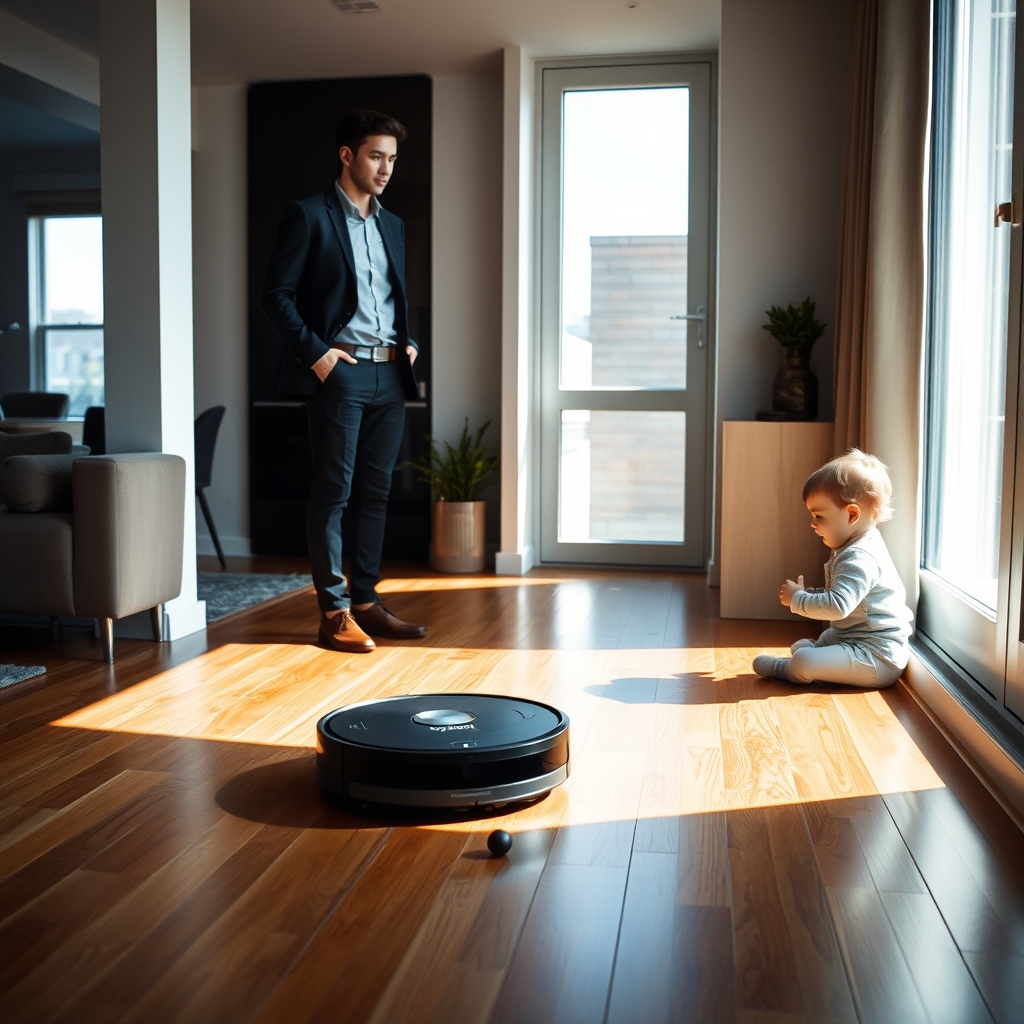
According to WIRED, Dyson introduced three robot vacuums under the Nurovi brand: the R1 Dry ($550), the R2 Wash + Dry ($700) sold exclusively at Costco, and the R3 Spot+Scrub UV ($1,200). The lineup upgrades navigation, suction and cleaning intelligence, positioning Dyson against established robot vacuum makers.
Dyson Nurovi Line Overview
The three models share a light‑gray chassis and a base‑station that keeps Dyson’s familiar canister look. All units use lidar (light‑detecting and ranging) to map rooms, a step up from the HD camera used in Dyson’s previous Vis Nav robot. The Twin‑Capture System claims to collect dust on hard floors and carpet simultaneously, while the R2 adds a mop function and the R3 adds a UV light that scans for stains. Suction power is quoted at 21,000 Pa for the R1 and 30,000 Pa for the R3, measured in pascals—a metric that directly reflects the force pulling debris into the filter.
How the New Tech Works
Lidar navigation emits rapid laser pulses, measures the time they bounce back, and builds a 3‑D point cloud of the environment. The robot then creates a map, plans efficient routes and avoids obstacles without relying on visual cues that can be confused by low light or reflective surfaces.
Twin‑Capture combines a high‑speed brush roll with a secondary side‑brush that lifts larger particles. On carpet the brush roll engages, while the side‑brush sweeps hard‑floor debris into the same intake, allowing one pass to address both surface types.
UV stain detection on the R3 shines ultraviolet light onto the floor. Certain organic stains fluoresce under UV, making them visible to the robot’s camera. Once detected, the robot applies a targeted cleaning cycle.
AI substance identification is a software layer that classifies up to 200 household materials based on sensor data (optical, pressure, moisture). The robot adjusts suction, brush speed or mop moisture accordingly, aiming to clean each substance until the sensor reads “clean.”
Where It Stands Against Competitors
| Feature | Dyson R1 | Dyson R2 | Dyson R3 | iRobot Roomba i7+ | Roborock S7+ |
|---|---|---|---|---|---|
| Price (USD) | $550 | $700 (Costco) | $1,200 | $799 | $999 |
| Navigation | Lidar | Lidar | Lidar + UV | Visual‑SLAM* | Lidar |
| Suction (Pa) | 21,000 | 21,000 | 30,000 | ~20,000 | ~22,000 |
| Mop function | No | Yes | Yes (spot) | No | Yes |
| UV stain detection | No | No | Yes | No | No |
| AI substance ID | Yes | Yes | Yes | Limited | Limited |
| Availability | Dyson site | Costco only | Dyson site | Broad | Broad |
*Visual‑SLAM: simultaneous localization and mapping using camera images.
The table shows that Dyson’s top model costs considerably more than comparable high‑end units, yet it adds UV detection and a higher suction rating. The R1 sits near the price of the Roomba i7+ but lacks a mop and the i7+ offers automatic bag emptying, a convenience the Nurovi line does not mention.
What the Trade‑offs Mean for Buyers
The headline feature is lidar navigation, which generally yields more reliable mapping than camera‑only systems. For homes with dark carpet or cluttered rooms, that reliability can reduce missed spots. However, lidar adds cost; the R1’s $550 price is already higher than many camera‑based robots that perform adequately in similar settings.
Twin‑Capture promises a single pass on mixed‑floor homes, but the mechanism adds mechanical complexity. In practice, more moving parts can increase wear, especially on high‑traffic carpet. The higher suction of the R3 (30,000 Pa) sounds impressive, yet suction alone does not guarantee better cleaning; brush design and airflow path matter just as much. Users may see diminishing returns for the extra $500 compared to the R2’s 21,000 Pa.
The UV stain detection is a niche benefit. It works best on organic spills that fluoresce—coffee, wine, pet urine—but it does nothing for mineral stains or dust. If your cleaning concerns revolve around everyday debris rather than occasional spills, the UV module may be underutilized.
Exclusivity is another hidden cost. The R2 can only be purchased at Costco, meaning a membership is required and pricing may fluctuate with store promotions. The R1 and R3 are sold on Dyson’s website and possibly other retailers, but stock could be limited at launch.
Overall, the Nurovi line pushes Dyson’s branding into the premium robot vacuum market, but the premium price is justified only for users who specifically need lidar precision, UV stain spotting, or the highest suction.
Practical Steps If You’re Considering a Nurovi
- Map your floor types. If you have mostly carpet and rarely need mopping, the R1 may be sufficient and saves $150‑$650 versus the R2/R3.
- Check membership requirements. For the R2, confirm you have a Costco membership and compare the in‑store price to Dyson’s website; sometimes the difference is negligible.
- Test UV relevance. Identify the most common stains in your home. If they are not UV‑responsive, the R3’s UV feature adds little value.
- Compare warranty and service. Dyson typically offers a 2‑year warranty; verify if battery replacement costs are comparable to competitors.
- Read early user reviews. Since the models are brand‑new, wait a week for community feedback on navigation reliability and Twin‑Capture durability before committing.
Taking these steps will help you decide whether the Nurovi line’s advanced sensors outweigh the higher price tag.