Adopt a Data Center Plushie: What the Squeal Says About Our Server Farms
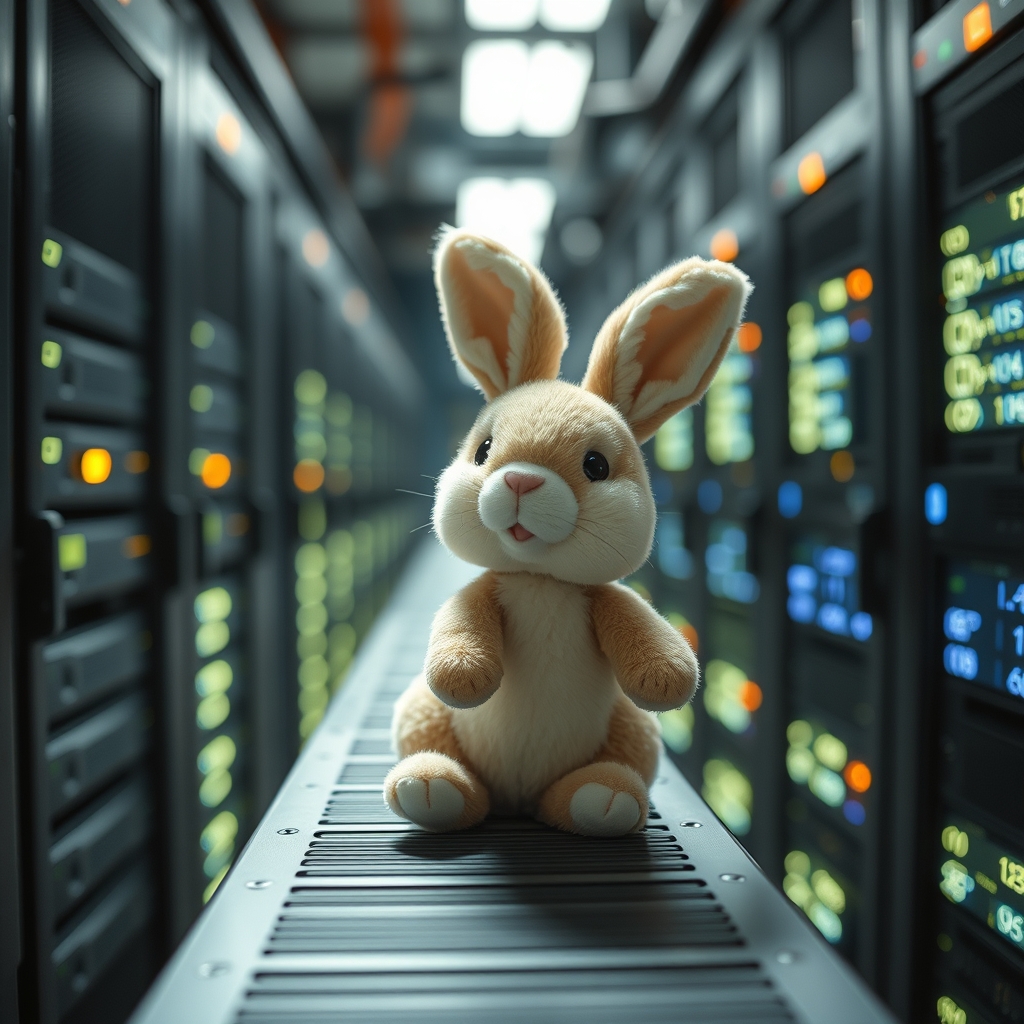
According to WIRED, a new plush toy called Bezzy mimics the ear‑piercing hum of a real US data center and is being sold as part of a satire‑driven campaign to spark conversation about server farms.
The doll looks like a cartoonish server rack with googly eyes, long limbs, and a tag that reads “Hug me for ear‑piercing forever hum.” When squeezed, it plays a short recording of a Virginia data center’s ambient noise, described by a neighbor as “like a car alarm going off nonstop.” The stunt is meant to force people to think about the physical footprint and societal impact of the facilities that power today’s AI tools.
The Plushie’s Design and the Story Behind It
Basura, a New York‑based creative studio, teamed up with electronic‑music project Big Data to produce only 20 hand‑made units priced at $99 each. The collaboration also includes a set of stickers that poke fun at the idea of “adopting” a data center. Founder Rajeev Basu says the project grew out of dozens of interviews with residents living next to data centers, many of whom complained about constant noise and rising electricity bills.
Why Data Center Noise Matters
Data centers are massive, climate‑intensive facilities that house thousands of servers. Their cooling systems, power supplies, and high‑speed fans generate a low‑frequency hum that can travel for miles. The sound isn’t just a nuisance; it signals high energy consumption and often points to reliance on fossil‑fuel generators for backup power. Communities near these sites have reported sleep disruption, increased stress, and reduced property values. The plushie captures that “high‑pitched, all‑you‑can‑focus‑on” noise, turning an abstract problem into a tactile experience.
How the Campaign Works as a Communication Tool
When a buyer clicks “adopt now,” the website redirects to a page filled with links to research on data‑center energy use, carbon footprints, and local activism. The toy itself is not the end goal; it’s a hook that leads users to factual resources. By pairing a cute object with an unsettling sound, the creators exploit a cognitive bias where unexpected juxtapositions make information more memorable. This method sidesteps the usual jargon‑laden debates about AI infrastructure and puts the conversation in a domestic, relatable space.
The Trade‑Off Nobody Highlights
The cost of awareness versus the cost of the product
The plushie sells for $99, a price that may be prohibitive for many who would benefit most from the conversation—residents of lower‑income neighborhoods near data centers. At the same time, the limited run of 20 units creates scarcity, turning the item into a collector’s piece rather than a widespread educational tool. The campaign thus trades breadth for depth: a small group gets a memorable artifact, while the broader public may never encounter it.
The real financial impact of data centers dwarfs the plushie’s price tag. A typical mid‑size facility can cost $500 million to build and consumes tens of megawatts of electricity, translating to $100 million‑plus in annual energy bills. By focusing on a $99 novelty, the campaign risks minimizing the scale of the problem in the eyes of casual observers. What to watch is whether the project spawns similar low‑cost, high‑visibility tools that can reach larger audiences without relying on scarcity.
Quick Comparison of Bezzy vs. a Typical Data Center
| Feature | Bezzy Plushie | Typical US Data Center |
|---|---|---|
| Price | $99 (hand‑made, limited edition) | $500 M + (initial construction) |
| Noise duration | ~5 seconds per squeeze | Continuous 24/7 operation |
| Energy use | None (battery‑powered) | 10‑30 MW (average) |
| Physical footprint | 0.1 ft³ | 500 000 ft² (≈ 11 acres) |
| Public awareness impact | Niche, tactile reminder | Often invisible to the public |
What Readers Can Do Today
- Listen to the recording – The campaign links to the original Virginia data‑center audio; hearing it without the plushie can still illustrate the issue.
- Map local data centers – Use tools like the U.S. Energy Information Administration’s database to locate facilities within a 10‑mile radius of your home.
- Contact local officials – If you live near a data center, ask about noise‑mitigation plans, renewable‑energy sourcing, and community benefit agreements.
- Support transparent reporting – Encourage data‑center operators to publish real‑time power‑usage and noise‑level data.
- Share the story – A quick social‑media post with the plushie’s video can spread awareness without needing to buy the doll.
By turning a server‑rack’s scream into a child’s toy, the Adopt a Data Center stunt forces a conversation that usually stays behind corporate walls. Whether the approach scales up or stays a quirky footnote, it highlights the need for community‑level scrutiny of the infrastructure powering AI.