Winter Air Purifier Deals: What the Discounts Actually Mean
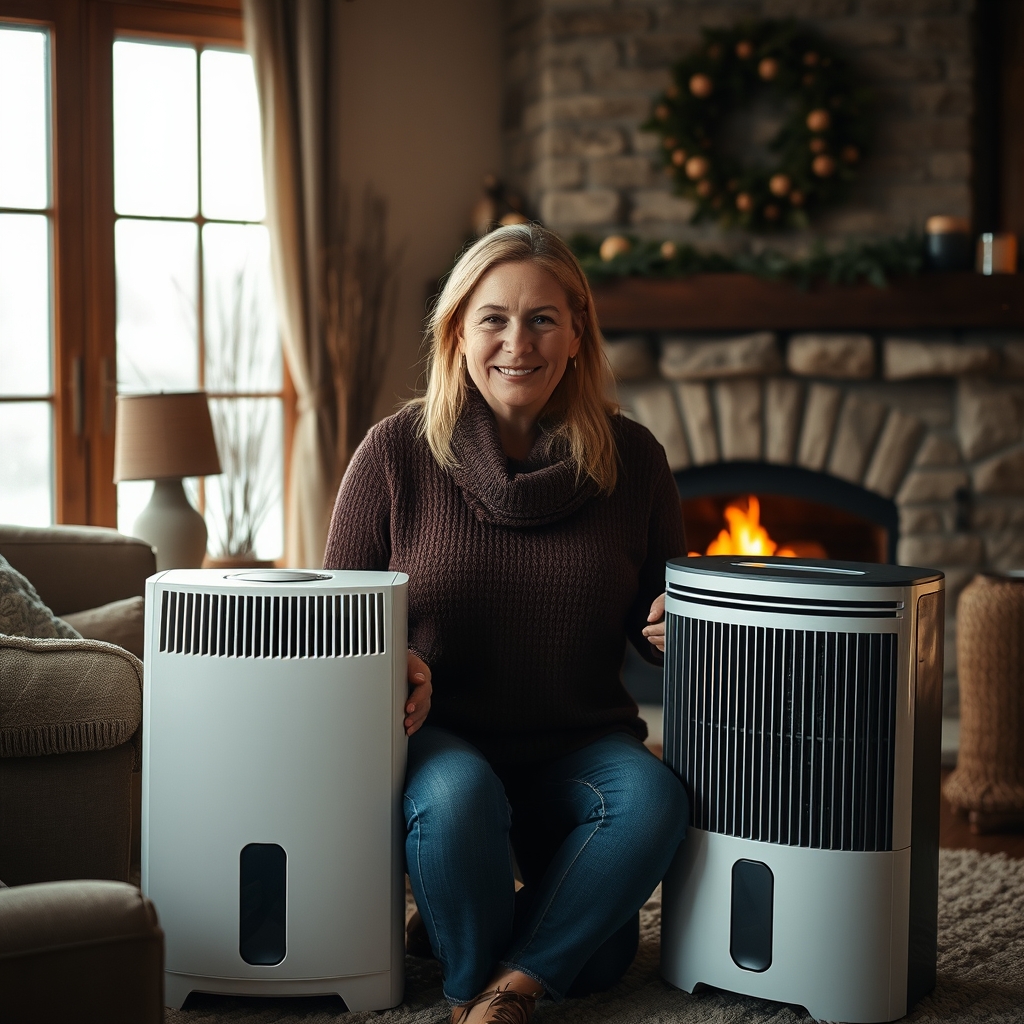
Winter drives us indoors, and the air we breathe can get crowded with allergens, pet dander, and furnace soot. A portable air purifier can keep a bedroom or small office breathable without breaking the bank.
According to WIRED, several models are deep‑discounted right now and each promises HEPA filtration, the gold‑standard mesh that traps particles as small as 0.3 µm, including viruses and bacteria.
Blueair Small‑Room Heater‑Purifier Combo
The Blueair unit targets rooms up to 175 sq ft. It stands under two feet tall, houses a built‑in heater and a cooling fan, and reports air quality with an LED indicator. The device can cycle the recommended 4.8 air changes per hour in a 219‑sq ft space, which translates to roughly a 15 × 14‑foot bedroom. A pet‑specific filter set costs $35 and adds a nylon pre‑filter, a standard HEPA filter, and an activated carbon layer that absorbs odors.
Why the heater matters
In colder months, many homes rely on forced‑air heating that circulates dust and soot. The built‑in heater warms the room while the purifier continuously draws in stale air, filters it, and pushes it back out, reducing the chance that heating‑related particles settle on furniture or lungs.
Dual‑Purpose Sunrise Alarm Purifier
This compact unit cleans a 140‑sq ft bedroom in 13 minutes, also achieving 4.8 air exchanges per hour. In addition to standard HEPA filtration, it doubles as a sunrise alarm clock: the light slowly brightens to mimic dawn, helping users wake more naturally. An adjustable nightlight and clock display add convenience for small spaces.
Trade‑off to note
The sunrise feature consumes extra electricity and adds moving parts that could fail over time. If you already own a separate alarm clock, the extra cost may not justify the convenience.
Large‑Tower Quiet Model for Open‑Plan Areas
Designed for up to 1,043 sq ft, this tower maintains 4.5 air changes per hour, a figure recommended for large living rooms or open‑plan offices. The unit is praised for its low fan noise and an intuitive app that lets you schedule runs, monitor filter life, and adjust fan speed remotely.
When size matters
A large footprint means higher power draw and a pricier filter replacement schedule. If you only need to treat a bedroom, the tower’s capacity is overkill and will waste energy.
Quick Comparison
| Model | Coverage | Air Changes per Hour | Notable Extras | Current Discount |
|---|---|---|---|---|
| Blueair Small‑Room Combo | 175 sq ft | 4.8 (219 sq ft) | Heater, cooling fan, AQI LED, pet filter option | 55 % off Amazon, $150 off at Shop |
| Sunrise Alarm Purifier | 140 sq ft | 4.8 | Sunrise light, nightlight, clock | Unspecified, on sale |
| Large‑Tower Quiet Model | 1,043 sq ft | 4.5 | Quiet fan, remote app control | Unspecified, on sale |
What the Discounts Really Change
The price cuts make it easier for renters and budget‑conscious shoppers to add filtration to a single room. However, the savings do not alter the fundamental operating costs. All three units rely on replaceable HEPA filters that typically need changing every 6‑12 months, depending on usage and pollutant load. A $35 pet filter kit, for example, will be a recurring expense if you have animals.
Another hidden factor is energy consumption. The Blueair heater draws additional watts when the heating element is on, which can increase monthly electricity bills by 5‑10 %. The sunrise alarm’s LED panel adds a small, but continuous load. The large tower, despite being quiet, runs a more powerful fan to move air through a bigger volume, which also raises power use.
Who benefits most?
- Renters with small apartments: The Blueair combo and sunrise alarm units fit under a foot of ceiling height and can be moved between rooms.
- Pet owners: The optional $35 pet filter gives a tangible odor‑reduction boost without needing a separate air‑freshener.
- Open‑plan office managers: The tower’s app control and low noise level suit shared workspaces where disruption matters.
Who should think twice?
- Homeowners looking to replace whole‑house systems: Portable units can’t match the flow rate of a central HVAC filter.
- People on very tight electricity budgets: The heater and larger fans add ongoing costs that may outweigh the upfront discount.
What to Watch Next
Manufacturers are beginning to pair air purification with smart‑home ecosystems (e.g., voice‑assistant integration) and with UV‑C LEDs that claim to kill microbes. Neither feature appears in the current sale models, but future releases may push the price point higher while promising additional health benefits. Keep an eye on upcoming firmware updates for the existing app‑controlled models; they sometimes unlock new scheduling or diagnostic tools without extra hardware.
Immediate Steps You Can Take
- Measure your room – Use a tape measure to calculate square footage (length × width). Compare the result to the coverage numbers above.
- Check filter cost – Look up the replacement filter price for the model you consider; factor a yearly expense into your budget.
- Plug in and test – Run the purifier for an hour with the built‑in AQI indicator on; if the light stays green, the unit is effectively cleaning the air.
- Set a timer – For heating season, schedule the unit to run 30 minutes before you wake up and for a few hours after you go to bed. This balances air quality with electricity use.
- Re‑evaluate after a month – Note any reduction in allergy symptoms or dust buildup. If you see no change, the unit may be undersized for your space.
By matching the right capacity to your actual room size and accounting for filter and energy costs, the winter sales can turn a nice discount into a lasting health benefit.