Inside the Robotaxi: Why Your Driverless Cab Is Watching You
According to WIRED, a Waymo robotaxi in San Mateo County was parked for hours while staff watched the passengers through interior cameras after a 911 call reported a teenager brandishing a handgun. The incident, which turned out to involve a water‑filled toy, pulled the spotlight onto the surveillance systems that sit inside today’s driverless cabs.
The presence of cabin cameras is not a gimmick; it is a core safety layer for vehicles that have no human driver to intervene. For anyone considering a ride, understanding how those cameras operate and what the captured data can become is essential.
How Interior Cameras Work in Robotaxis
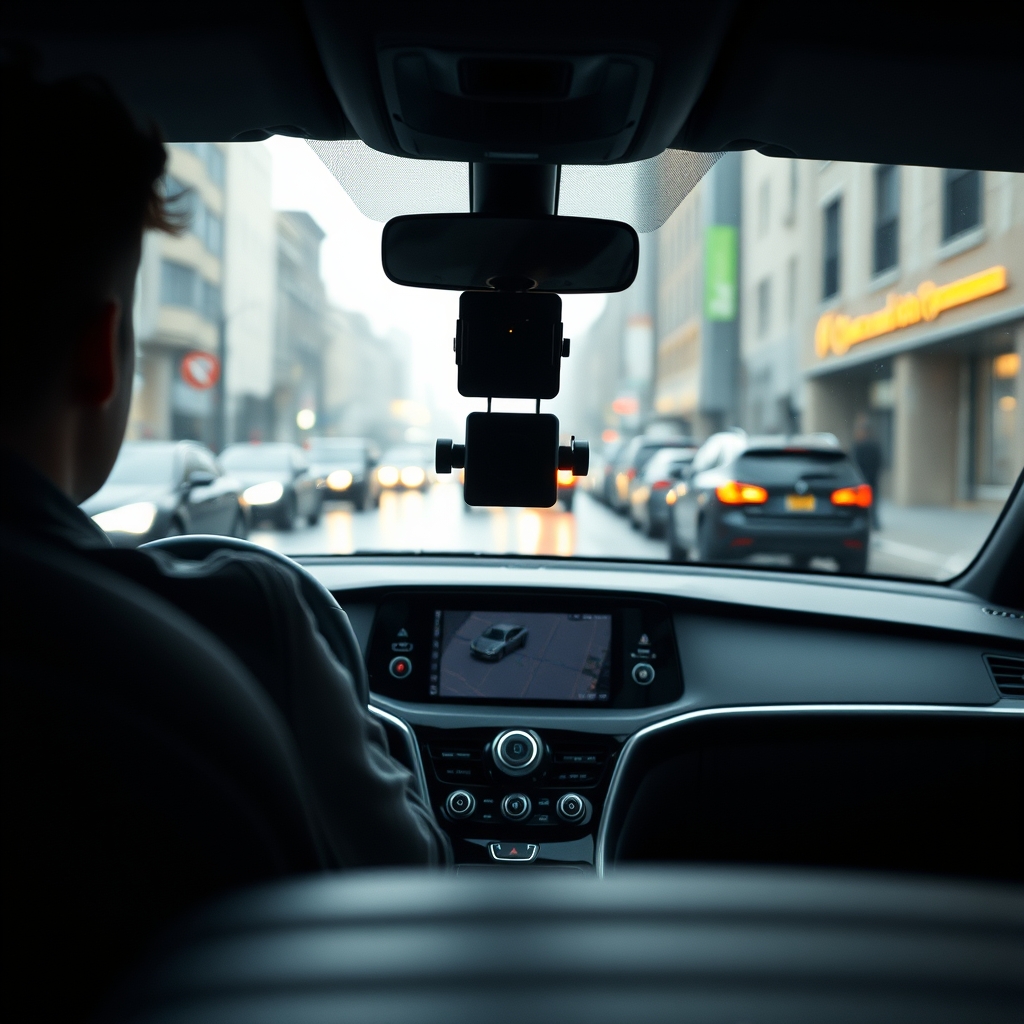
Self‑driving cars already carry a suite of external sensors—cameras, radar, and lidar—to map the road, detect obstacles, and make real‑time driving decisions. Inside the vehicle, additional cameras capture the cabin environment. The feed is processed by automated software that looks for predefined risk signals, such as the presence of a firearm, a passenger not wearing a seatbelt, or erratic behavior.
Waymo describes this as an “automated technology to support our teams in identifying potential violations.” A 2025 Waymo patent even outlines a “predetermined ride checklist” that runs before, during, and after each trip, flagging anomalies for human review. The system does not broadcast a live video stream to a control center unless a trigger is detected; instead, it stores short clips or snapshots that can be pulled by staff for investigation.
Zoox takes a simpler stance: its website says the interior camera “records the entirety of your ride.” The recordings are used to operate the service and improve the product, but the company claims it does not retain audio recordings.
Tesla’s Robotaxi app shows a green indicator on the central touchscreen when the cabin camera is active. Riders can toggle video and audio sharing in the “data and privacy” settings, though early‑access participants are opted in by default. The policy notes that law‑enforcement requests must follow valid legal processes before data is handed over.
These technical details matter because they define the moments when a passenger’s actions become data that a corporation can store, analyze, or share.
Current Privacy Policies Across Major Robotaxi Operators
| Company | When Cameras Are Active | Data Retention & Use | Rider Control |
|---|---|---|---|
| Waymo | Automated monitoring; staff view only after a flagged event | Clips may be used for safety checks, product improvement, or law‑enforcement requests | No direct opt‑out; policy covered in terms of service |
| Zoox | Continuous recording of video (audio optional) | Video used for ride operation and product development; claims no audio storage | No toggle; privacy details limited to “catch‑all” terms |
| Tesla | Green indicator shows activation; riders can opt in/out via app | Video/audio shared with Tesla if rider opts in; data may be handed to authorities on legal demand | Toggle available in “data and privacy” section; early‑access users auto‑opt‑in |
The table pulls directly from each company’s public statements. It shows that while the technical capability is similar—always‑on cameras—the degree of rider consent and the explicitness of use cases vary widely.
The Legal Vacuum and Its Consequences
U.S. privacy law does not yet address interior surveillance in autonomous vehicles. Riders typically agree to lengthy terms of service that grant companies broad rights to collect, store, and repurpose video data. Matthew Guariglia of the Electronic Frontier Foundation warned that lawmakers have essentially abandoned consumers on this front, leaving the burden on individuals to assume that companies will act responsibly.
Recent scandals illustrate why that assumption is risky. Reuters reported that Tesla employees accessed and shared sensitive videos from owners’ cars, including footage of a naked man approaching a vehicle and a collision involving a child on a bike. Although Tesla’s policy claims recordings are anonymized, former employees said the system could reveal the location of the original capture, potentially linking data to specific owners.
General Motors was fined nearly $13 million in California for selling driver data to brokers without consent, underscoring a pattern of automakers exploiting the data they collect for revenue.
Without clear statutory limits, robotaxi operators can expand the scope of what they keep—from safety verification to product training to commercial data sales—under the guise of “improving the service.”
What the Surveillance Trade‑off Means for Riders
The practical trade‑off is simple: the cameras that deter dangerous behavior also create a permanent digital record of everything you do inside the vehicle. In practice this usually means that a seemingly private conversation, a spilled drink, or even a brief gesture could be saved and later analyzed for pattern‑recognition training or handed to law‑enforcement.
For privacy‑conscious users, the cost is a loss of anonymity in a space that was once considered personal. For the companies, the benefit is a richer data set that fuels machine‑learning models, shortens the time to achieve full autonomy, and opens potential revenue streams through data licensing.
Who gains? Passengers who value safety and are comfortable with surveillance may feel more secure, especially in a driverless environment where there is no human authority to intervene. Who loses? Anyone who expects privacy in a vehicle they occupy alone, as well as advocacy groups that lack legal tools to enforce limits.
What to watch next? Legislative proposals at the state level that aim to require explicit opt‑in for interior recordings, and industry moves toward “privacy‑by‑design” where data is automatically deleted after a short retention window. Keep an eye on the Federal Trade Commission’s upcoming guidance on AI‑driven surveillance, as it could set baseline standards for all autonomous‑vehicle operators.
Practical Steps to Protect Your Data Today
- Read the fine print before you book. Look for clauses about interior cameras, data sharing, and opt‑out mechanisms.
- Use the privacy toggles if they exist. Tesla’s app lets you turn off video and audio sharing; doing so may limit the data collected during your ride.
- Cover the camera when possible. A simple, removable privacy screen or a small piece of opaque tape can block the view without breaking any terms of service that require the camera to be on.
- Avoid bringing sensitive items into the cabin. Anything you wouldn’t want captured on video—personal documents, valuables, or confidential conversations—should stay out of the car.
- Stay informed about local regulations. Some municipalities may pass ordinances restricting interior surveillance; knowing your rights can help you challenge overreach.
By treating a robotaxi like any other monitored public space—aware of cameras, mindful of what you say, and proactive about privacy settings—you can reap the safety benefits without surrendering all of your personal data.